
How HOA Property Management Helps Create Well-Maintained and Thriving Communities
A successful homeowners association relies on organisation, communication and consistent maintenance to provide residents with an attractive and enjoyable place to live. Effective HOA property management plays a central role in achieving these goals by helping communities operate efficiently, protecting property values and ensuring that shared facilities remain safe and well maintained. Whether managing a small residential development or a large master-planned community, professional property management provides the experience and structure needed to support both board members and homeowners while creating an environment that benefits everyone.
Homeowners associations exist to oversee the shared interests of a community. They are responsible for maintaining common areas, enforcing community rules, managing finances and arranging essential services. While volunteer board members make many of the important decisions, carrying out the day-to-day responsibilities of running an association can be time-consuming and complex. Professional management companies help bridge this gap by providing administrative support, practical expertise and operational consistency.
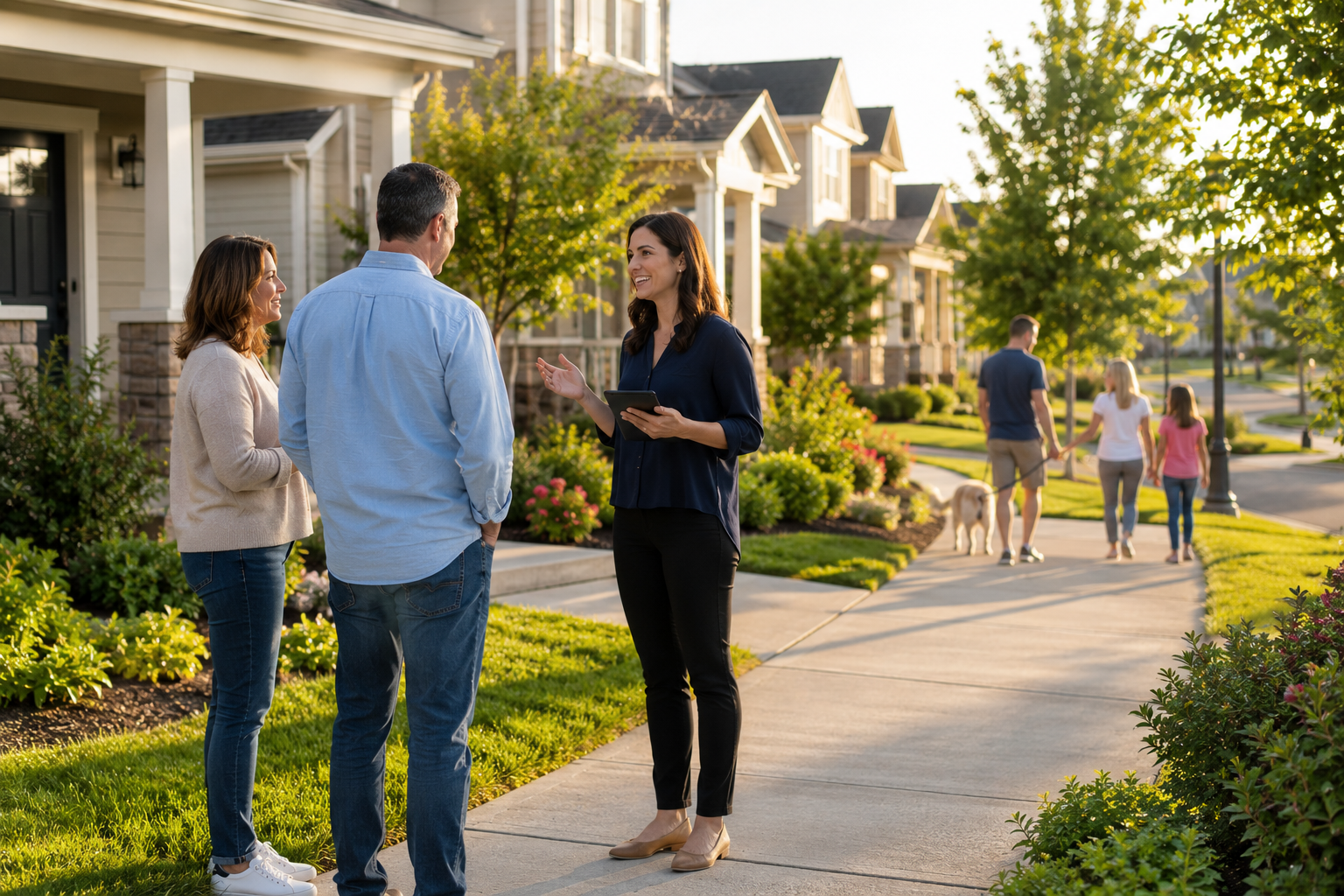
One of the most visible benefits of effective management is the overall appearance of the community. Attractive landscaping, clean communal spaces, well-maintained recreational facilities and properly maintained infrastructure all contribute to a positive first impression. Residents naturally take pride in living within a community that is cared for, while prospective buyers are often influenced by the quality of maintenance when considering a property purchase.
Routine maintenance is rarely limited to mowing lawns or planting flowers. It also includes maintaining roads, pathways, drainage systems, lighting, playgrounds, swimming pools, clubhouses, security gates and other shared amenities. Without careful planning and regular inspections, minor maintenance issues can quickly develop into expensive repairs. Property managers coordinate maintenance schedules, organise contractors and ensure that problems are addressed before they become more significant.
Financial management is another critical aspect of running a successful homeowners association. Communities rely on homeowner assessments and fees to fund daily operations, maintenance projects and long-term improvements. Managing these finances responsibly requires accurate budgeting, careful record-keeping and ongoing financial oversight.
Professional property managers often assist with preparing annual budgets, collecting assessments, monitoring expenditure and maintaining transparent financial records. They can also help associations build adequate reserve funds for future capital projects such as roof replacements, resurfacing roads or renovating shared facilities. Effective financial planning reduces the likelihood of unexpected special assessments and helps ensure that the community remains financially stable over the long term.
Communication is equally important within any residential community. Residents want to know about upcoming maintenance work, community events, rule changes and important board decisions. They also expect concerns and enquiries to receive timely responses.
Professional management companies frequently provide structured communication systems that allow information to be shared efficiently through newsletters, emails, online portals and community noticeboards. Clear communication helps reduce misunderstandings, encourages resident engagement and strengthens trust between homeowners and the association.
One area that can sometimes create challenges within homeowners associations is rule enforcement. Community guidelines are designed to preserve neighbourhood standards, promote fairness and maintain property values. However, enforcing these rules consistently while maintaining positive relationships with residents requires diplomacy and professionalism.
Property managers help ensure that community standards are applied fairly and consistently. Rather than relying solely on volunteer board members to address every issue, managers can handle routine compliance matters, document concerns appropriately and communicate with homeowners in a professional manner. This approach often reduces tension while supporting the board’s responsibility to uphold community regulations.
Vendor management represents another important responsibility. Most communities depend on a wide range of external contractors for landscaping, cleaning, maintenance, security, waste collection and specialist repairs. Selecting reliable contractors, negotiating service agreements and monitoring performance all require time and experience.
Professional property managers often maintain established relationships with trusted service providers and understand how to obtain competitive quotations while ensuring work meets appropriate standards. Regular monitoring helps maintain service quality and allows problems to be addressed promptly if contractor performance falls below expectations.
Legal and regulatory compliance can also become increasingly complex as communities grow. Homeowners associations must comply with governing documents, local regulations and applicable state or regional legislation. While property managers do not replace legal advisers, they often help boards follow proper procedures, maintain required documentation and coordinate with legal professionals when specialist advice is needed.
Planning for the future is another area where professional management provides valuable support. Communities evolve over time, and facilities inevitably require upgrading or replacement. Long-term maintenance planning allows associations to spread costs sensibly while avoiding sudden financial pressures.
Reserve studies, asset management plans and scheduled inspections all contribute to informed decision-making. Rather than reacting only when something fails, proactive planning allows boards to prioritise improvements according to need, available funding and long-term community objectives. This strategic approach benefits both current residents and future homeowners.
Technology has also transformed the way homeowners associations operate. Many management companies now offer online resident portals where homeowners can make payments, access important documents, submit maintenance requests, reserve community facilities and communicate directly with management staff. These digital tools improve convenience while reducing administrative workload for both managers and volunteer board members.
Emergency preparedness is another important consideration. Severe weather, utility failures, flooding or other unexpected events require organised responses that minimise disruption and protect residents. Experienced property managers often coordinate emergency contractors, communicate updates to residents and assist boards in implementing established emergency procedures. Having experienced professionals available during challenging situations can greatly improve a community’s ability to respond effectively.
One of the less obvious advantages of professional management is the support provided to volunteer board members themselves. Serving on an HOA board can be rewarding, but it also demands considerable time and responsibility. Board members must review budgets, approve contracts, respond to homeowner concerns and oversee numerous operational matters while often balancing full-time careers and family commitments.
Property managers help reduce this administrative burden by handling many routine tasks, preparing meeting materials, coordinating projects and ensuring decisions are implemented efficiently. This allows board members to focus on governance, long-term planning and representing the interests of the community rather than becoming overwhelmed by day-to-day administration.
Strong management also contributes to higher resident satisfaction. Communities that are clean, financially stable, well maintained and professionally administered tend to experience fewer disputes and greater homeowner engagement. Residents appreciate responsive communication, timely maintenance and clear organisational structure, all of which contribute to a more enjoyable living environment.
Ultimately, thriving communities do not happen by chance. They result from consistent planning, responsible financial management, proactive maintenance and effective communication between homeowners, boards and service providers. Professional property management brings these elements together, creating systems that allow associations to function smoothly while protecting both community standards and long-term property values.
As residential developments continue to grow in size and complexity, the value of experienced management becomes increasingly apparent. By supporting board members, coordinating essential services, maintaining financial stability and ensuring communities remain attractive places to live, HOA property management provides the foundation upon which successful neighbourhoods are built. When these responsibilities are handled professionally and consistently, communities are better positioned to thrive for many years to come.

